
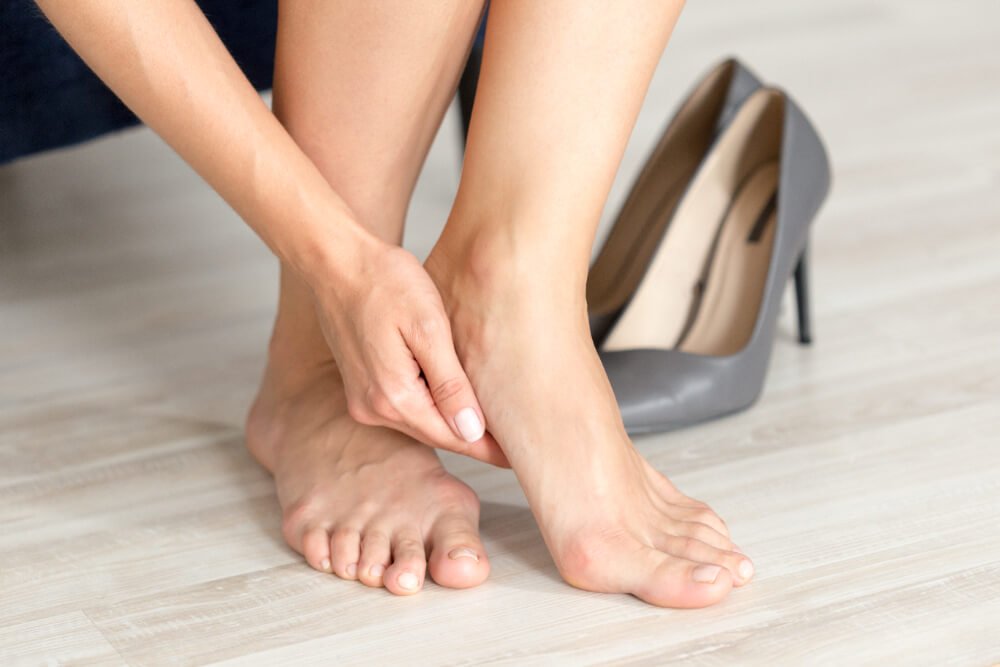
Heel pain
Are you struggling with persistent heel pain that makes walking or standing uncomfortable? You’re not alone. Heel pain is one of the most common foot problems people experience — often linked to conditions like plantar fasciitis or Achilles tendinitis. At Edison Foot Doctor, our experienced podiatrists are dedicated to diagnosing the root cause of your heel pain and providing effective, personalized treatment options.
Understanding Heel Pain
Heel pain typically occurs due to inflammation, strain, or injury in the tissues that support your heel and arch. The discomfort often feels sharp or throbbing, especially after getting out of bed in the morning or standing for long periods.
Common Causes of Heel Pain
- Plantar Fasciitis: Inflammation of the thick band of tissue (plantar fascia) running along the bottom of your foot.
- Achilles Tendinitis: Inflammation of the Achilles tendon that connects your calf muscles to your heel bone.
- Heel Spurs: Calcium deposits that form bony growths on the underside of the heel bone.
- Bursitis: Inflammation of the small fluid-filled sacs (bursae) that cushion the heel joint.
- Stress Fractures: Tiny cracks in the heel bone caused by overuse or repetitive activity.
Diagnosing Heel Pain
At Edison Foot Doctor, our specialists begin with a thorough evaluation to identify the underlying cause of your pain. Diagnosis may include:
- Physical Examination: Checking tenderness, flexibility, and signs of swelling.
- Medical History Review: Assessing your symptoms, lifestyle, and footwear habits.
- Imaging Tests: X-rays or ultrasounds to detect structural abnormalities or injuries.
Treatment Options
Our approach focuses on relieving pain, reducing inflammation, and preventing recurrence.
1. Conservative Treatments
- Rest & Ice: Allowing the heel to recover and applying ice to ease inflammation.
- Stretching Exercises: Gentle stretches to improve flexibility in the plantar fascia and calf muscles.
- Orthotics: Custom inserts that provide arch support and improve foot alignment.
- Proper Footwear: Supportive shoes with cushioned soles and good arch support.
2. Medications
- NSAIDs: Nonsteroidal anti-inflammatory drugs for pain relief.
- Corticosteroid Injections: For severe inflammation unresponsive to other treatments.
3. Physical Therapy
A structured exercise plan to strengthen foot and ankle muscles, improve mobility, and prevent future injury.
4. Surgical Options
In rare, chronic cases that don’t respond to conservative measures, surgery may be recommended to release tension or remove heel spurs.
Preventing Heel Pain
- Wear supportive, properly fitting shoes.
- Stretch your feet and calves regularly.
- Maintain a healthy weight to reduce stress on your feet.
- Avoid sudden increases in activity levels.
Get Relief at Edison Foot Doctor
Don’t let heel pain slow you down. At Edison Foot Doctor, our board-certified podiatrist offers advanced diagnostic tools and evidence-based treatments to help you walk comfortably again.
Schedule your appointment today and take your first step toward lasting relief.